
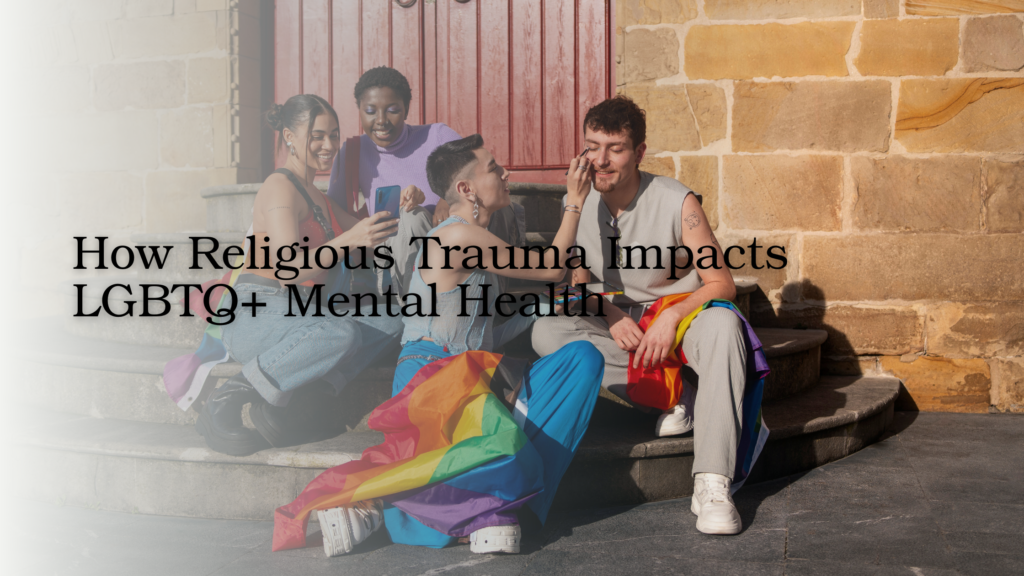
What happens when a place that once gave you comfort starts making you question your worth? For some LGBTQ+ adults, religious experiences can leave behind fear, guilt, shame, or confusion about who they are. Even after leaving a harmful environment, those feelings may continue to affect relationships, self-esteem, and everyday decisions.
You may still hear an old message in your mind telling you that being yourself is wrong. You may feel guilty for setting boundaries, anxious about disappointing others, or unsure whether you can trust your own feelings.
Healing from religious trauma is possible, especially with support that honours both your experiences and your identity. Christina Wade, LCSW, provides LGBTQ+ affirming therapy in San Mateo, helping adults process religious trauma with compassion and respect.
Understanding Religious Trauma and Its Impact
Religious trauma refers to the emotional, psychological, and sometimes spiritual harm caused by toxic religious teaching, practices, or environment. It does not mean that religion itself is harmful. Many people find comfort and meaning in their faith.
Religious trauma can develop when religious teachings or environments repeatedly create fear, shame, rejection, or pressure around a person’s identity, choices, or sense of self.
For LGBTQ+ individuals, this can happen when they are taught that:
- Their identity is sinful or morally wrong
- They must change to be accepted
- They will lose God’s love because of who they are
- They deserve rejection or punishment
- They should suppress or hide their identity
These messages often become deeply internalized, making it difficult to separate personal worth from years of harmful teachings.
Why Religious Trauma Can Be Especially Painful for LGBTQ+ Adults
For many LGBTQ+ adults, religion may be closely connected to family, culture, community, and identity. When acceptance feels uncertain, the loss can affect more than one part of life at the same time. You may find yourself facing difficult choices, such as:
- Choosing between authenticity and belonging
- Hiding your identity to remain connected to family or faith communities
- Leaving a religious community that once felt like home
- Feeling isolated after questioning long-held beliefs
This conflict can create a deep sense of grief. You may be grieving a community, important relationships, familiar traditions, or even the future you once imagined for yourself.
How Religious Trauma May Affect Your Mental Health
Leaving a harmful environment does not always make these feelings disappear. You may still struggle with self-doubt, fear of rejection, or difficulty trusting your own thoughts and decisions.
Some common effects are:
Chronic Shame
You may continue to feel that something is “wrong” with you, even when you no longer agree with the beliefs you were taught.
Anxiety and Fear
You may worry about being judged, rejected, or punished simply for being yourself, even when you are no longer in the environment where those fears began.
Low Self-Esteem
Years of hearing negative messages about your identity can make it difficult to recognize your own value.
Difficulty Trusting Yourself
When you’ve been taught to question your feelings or instincts, making decisions can become overwhelming.
Relationship Challenges
Fear of rejection, people-pleasing, and difficulty setting boundaries are common among people healing from religious trauma.
How do I know if what I’m experiencing could be connected to religious trauma?

Religious trauma does not always feel obvious. Sometimes you may simply notice anxiety, guilt, self-criticism, or difficulty trusting yourself without realizing where those feelings come from.
You may relate to experiences such as:
- Feeling guilty for being yourself
- Struggling to accept your identity
- Feeling anxious around religious conversations
- Fear of disappointing others
- Avoiding discussions about faith or spirituality
- Feeling disconnected from yourself
- Constant self-criticism
- Believing you must earn love or acceptance
Noticing these patterns can help you understand what you’re experiencing and decide whether additional support could be helpful.
How LGBTQ+ Affirming Therapy Can Support You
You do not have to give up your faith to seek therapy for religious trauma. LGBTQ+ affirming therapy gives you space to explore how past religious experiences may still affect your thoughts, emotions, relationships, and sense of self.
Therapy can help you:
Explore Shame-Based BeliefsTherapy can help you examine messages you learned about identity, worth, relationships, or belonging and decide which beliefs still reflect your own values.
Build Self-Compassion and Self-WorthYou can learn to respond to yourself with greater understanding instead of automatically believing critical or shame-based messages.
Process Grief and LossYou may need space to work through the loss of relationships, community, traditions, or expectations connected to your previous religious experience.
Manage Fear and AnxietyTherapy can help you understand emotional triggers and develop healthier ways to respond when old fears or beliefs resurface.
Reconnect With Your Own ValuesYou can explore what matters to you now, including how you want your identity, relationships, spirituality, and personal values to fit together.
How Christina Wade Helps LGBTQ+ Adults Heal From Religious Trauma
Working through LGBTQ+ religious trauma therapy can feel easier when you have a therapist who understands both the emotional impact of these experiences and the concerns LGBTQ+ clients may face.
Christina Wade, LCSW, is a licensed clinical social worker with more than 20 years of experience supporting adults through trauma, anxiety, shame, identity exploration, burnout, life transitions, and relationship challenges.
As a BIPOC lesbian therapist, she understands how deeply rejection, invalidation, and conflicting messages about identity can affect emotional well-being.
Christina’s approach is:
- LGBTQ+ affirming and trauma-informed
- Compassionate, collaborative, and non-judgmental
- Grounded in approaches such as Motivational Interviewing, DBT, mindfulness, and somatic practices
- Focused on helping clients build self-trust and reconnect with their values
In therapy, you can talk openly about your experiences without being pressured to change your identity or beliefs. The focus is on understanding what you have been through, identifying patterns that may still affect you, and exploring healthier ways to respond.
Christina also understands how identity, belonging, and acceptance can affect the way LGBTQ+ adults experience major life challenges. She does not tell clients what to believe or what choices to make. Instead, she provides space to process difficult experiences, explore shame-based beliefs, strengthen self-trust, and make choices that feel more aligned with their values.
Final Thoughts
Religious experiences that caused shame or rejection can continue to affect you long after the experience itself has ended. You may still carry fear, guilt, or self-doubt even after leaving the environment where those feelings began.
LGBTQ+ affirming therapy can give you a supportive space to understand these experiences, explore your values, and develop a healthier relationship with yourself.
If you’re looking for LGBTQ+ affirming therapy in San Mateo, Christina Wade, LCSW, offers a supportive and non-judgmental space for adults working through religious trauma, identity concerns, anxiety, and life transitions. She also offers a free 20–30 minute consultation to help you decide whether therapy feels like the right fit.
Frequently Asked Questions
Religious trauma refers to emotional or psychological distress connected to harmful religious experiences, teachings, or environments. For some LGBTQ+ adults, these experiences may involve shame, rejection, fear, or pressure to hide their identity.
Yes. Feelings such as guilt, shame, fear, or self-doubt can sometimes continue after someone leaves a harmful environment. Therapy can provide space to understand and work through these experiences.
Yes. Religious trauma does not mean that you must reject faith or spirituality. Therapy can help you explore your beliefs and decide what role faith or spirituality has in your life now.
Past experiences of rejection or conditional acceptance may contribute to people-pleasing, difficulty setting boundaries, fear of conflict, or difficulty trusting others. Therapy can help you understand these patterns and develop healthier ways of relating.
You may notice persistent guilt, shame about your identity, fear of judgment, difficulty trusting yourself, anxiety around religious topics, self-criticism, or a strong need for approval from others.
Therapy can provide a supportive space to explore where guilt and shame come from, understand how past messages affect you today, and develop a more compassionate relationship with yourself.
No. An affirming therapist should provide space for you to explore your own beliefs, values, identity, and experiences without pressuring you toward a particular religious or personal choice.
Therapy can help you process difficult experiences, explore shame-based beliefs, strengthen self-trust, manage anxiety, and better understand how your past experiences affect your relationships and sense of self.
No. Religious trauma can also be connected to experiences within a religious community, such as shame, rejection, pressure to conform, or messages that make you question your identity or worth.
Yes. You do not have to leave your faith or religious community to seek support. Therapy can give you space to explore your experiences, values, identity, and boundaries without being pressured to make a particular choice.


