
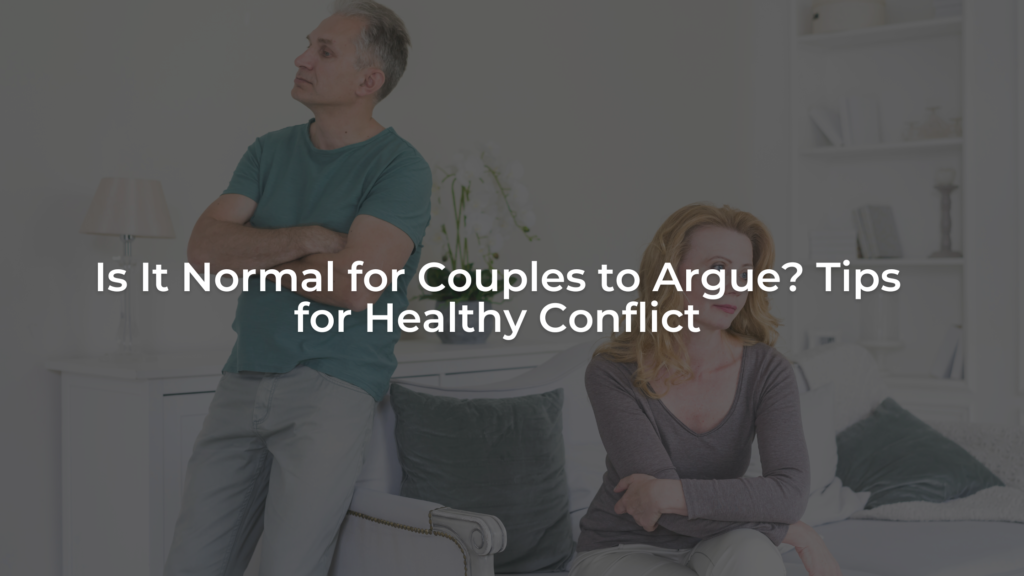
If you argue with your partner, something is wrong.
This belief quietly shapes how many couples experience conflict and it creates unnecessary fear, shame, and emotional distance.
In reality, arguments are not a sign of failure in a relationship. They are a sign that two people with different nervous systems, histories, needs, and communication styles are trying to stay connected. The problem is not that couples argue. The problem is how they argue and what happens afterward.
Many of Christina Wade’s clients come to therapy worried that frequent disagreements mean their relationship is broken. What they often discover instead is that conflict itself is neutral. It can either erode trust or deepen intimacy depending on how it is handled.
This article explores why couples argue, what healthy conflict actually looks like, how unhealthy patterns form, and how couples can learn to fight in ways that strengthen connection rather than damage it.
Why Couples Argue More Than They Expect
Most arguments are not about the topic being discussed. They are about emotional needs that feel unmet or unseen.
A disagreement about chores is often about fairness or exhaustion.
A fight about communication may really be about feeling dismissed.
An argument about time spent together can be rooted in fear of disconnection.
Couples argue because relationships activate attachment needs. When those needs feel threatened, even unintentionally, the nervous system moves into protection mode. This is when voices rise, people shut down, or small moments escalate quickly.
Stress also plays a major role. Work pressure, parenting demands, financial strain, and unresolved personal trauma lower emotional tolerance. When people are overwhelmed, they have less capacity to regulate emotions during disagreement.
Importantly, arguing does not mean couples are incompatible. It often means they care deeply and are struggling to express that care safely.
What Healthy Conflict Actually Looks Like
Healthy conflict in relationships is not calm all the time. It can be uncomfortable, emotional, and messy. What makes it healthy is not the absence of tension but the presence of safety.
In healthy conflict, partners can express disagreement without attacking character. They may feel upset but still remain emotionally engaged. There is room for repair, curiosity, and accountability.
Healthy conflict includes moments where partners pause, reflect, and adjust rather than escalate. It allows both people to feel heard, even when they disagree. Over time, this builds trust and emotional security.
Unhealthy conflict, on the other hand, feels repetitive and draining. The same arguments repeat without resolution. One or both partners feel dismissed, blamed, or emotionally unsafe. Instead of increasing closeness, conflict creates distance.
Why Some Couples Fight About “Nothing”
Many couples feel confused by how quickly arguments escalate over small issues. This happens because the nervous system reacts faster than logic.
A raised tone, a delayed response, or a perceived lack of interest can trigger old emotional wounds. These reactions are often rooted in past experiences, attachment patterns, or unresolved trauma rather than the present moment.
When partners fight about “nothing,” they are usually fighting about something unspoken. That might include feeling unappreciated, fearing abandonment, or carrying resentment that has not been addressed.
Understanding this shifts the focus from winning the argument to understanding what the argument represents emotionally.
Common Unhealthy Conflict Patterns That Hurt Relationships
Certain patterns consistently damage connection when left unaddressed.
One common pattern is escalation, where arguments intensify quickly and emotions spiral out of control. Another is withdrawal, where one partner shuts down to avoid conflict, leaving the other feeling abandoned or unheard.
Blame and criticism are also harmful. When partners focus on what is wrong with each other instead of the problem itself, defensiveness increases and understanding decreases.
Avoidance can be just as damaging. Couples who avoid conflict altogether often lose emotional intimacy over time. Suppressed resentment tends to resurface later in more destructive ways.
These patterns are learned responses, not personal failures. With awareness and support, they can be changed.
Therapist-Backed Techniques Couples Use to Manage Conflict More Healthily
Couples who handle conflict well are not naturally calmer or more compatible. They have learned how to regulate emotions and communicate under stress.
One powerful technique is emotional labeling. Naming feelings out loud helps slow the nervous system and reduces reactive behavior. Saying “I feel overwhelmed and unheard right now” creates space for understanding instead of escalation.
Time-limited pauses are another essential tool. When emotions become intense, taking a short break allows the nervous system to settle. The key is agreeing to return to the conversation rather than avoiding it altogether.
Reflective listening also changes the tone of conflict. When one partner summarizes what they heard before responding, misunderstandings decrease and emotional safety increases.
Repair is equally important. Repair includes acknowledging hurt, expressing care, and reaffirming connection after conflict. It reassures both partners that disagreement does not threaten the relationship.
These skills do not eliminate arguments. They transform them.
Real-Life Examples of How Healthy Conflict Changes Relationships
One New York couple struggled with frequent arguments about household responsibilities. Therapy revealed that the conflict was not about chores but about exhaustion and feeling unsupported. Once they learned to express those needs directly, arguments became less intense and more productive.
Another couple experienced repeated shutdowns during disagreements. One partner felt overwhelmed and withdrew, while the other felt rejected and pushed harder. Understanding this dynamic as an attachment pattern allowed them to pace conversations and respect emotional limits.
A long-term couple who rarely argued realized that avoiding conflict had led to emotional distance. Learning how to express disagreement safely helped them reconnect and rebuild intimacy.
These shifts did not happen because conflict disappeared. They happened because conflict became safer.
How Attachment Styles Shape the Way Couples Argue

Attachment styles strongly influence how people respond to disagreement.
Partners with anxious attachment may seek reassurance during conflict and feel distressed when communication pauses. Those with avoidant attachment may feel overwhelmed and need space, which can be misinterpreted as disinterest.
Secure attachment allows individuals to stay emotionally present even during disagreement. The goal of therapy is not to eliminate attachment differences but to help couples understand and navigate them with compassion.
When partners recognize that their reactions are protective rather than intentional, blame decreases and empathy increases.
How to Argue Without Damaging Trust
Arguing without harming trust requires intention rather than perfection.
Staying focused on one issue at a time prevents overwhelm. Using “I” statements reduces defensiveness. Slowing the pace of conversation helps emotions stay regulated.
Equally important is accountability. Acknowledging when words or actions caused harm builds safety and respect. Apologizing sincerely without justification fosters repair.
Conflict becomes constructive when both partners feel emotionally safe enough to be honest.
When Conflict Signals a Need for Support
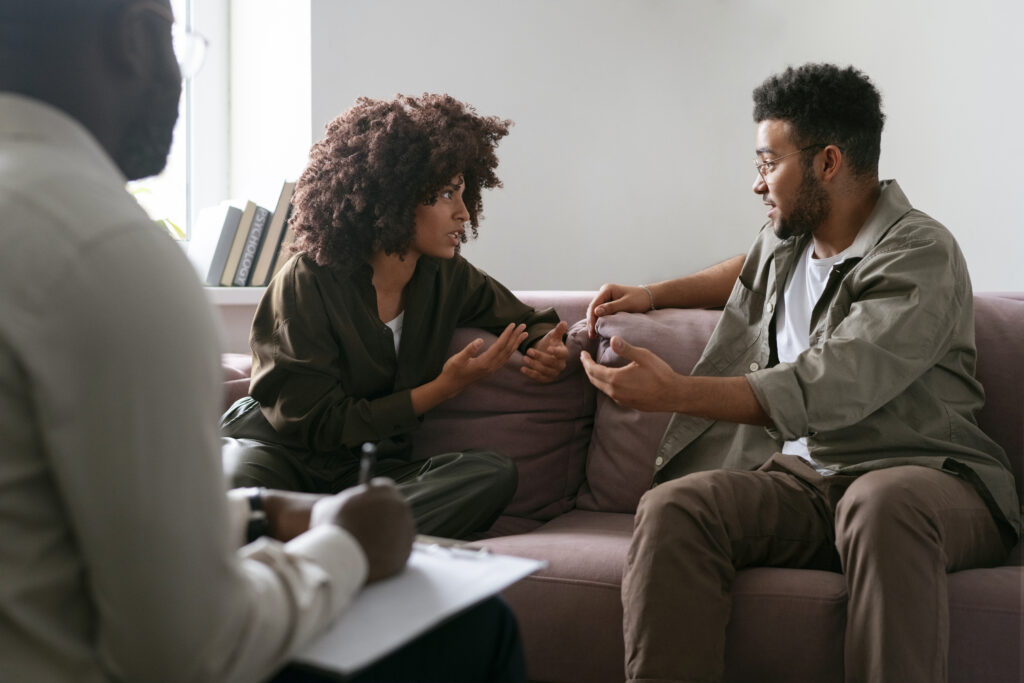
Not all conflict can be resolved alone. When arguments feel repetitive, emotionally exhausting, or escalate into verbal harm, professional support can help.
Therapy provides a neutral space where couples can understand patterns, improve communication, and rebuild trust. It is not about assigning blame but about creating understanding and emotional safety.
Many couples wait until conflict feels unbearable before seeking help. Earlier support often leads to quicker and more sustainable change.
Final Thoughts
Yes, it is completely normal for couples to argue. Conflict is not the enemy of healthy relationships. Avoidance, misunderstanding, and emotional unsafety are.
When couples learn how to approach conflict with curiosity rather than fear, arguments become opportunities for growth rather than threats to connection. Healthy conflict strengthens emotional intimacy, builds trust, and deepens understanding.
With awareness, skill-building, and support, couples can move from fighting to connecting even in moments of disagreement.
If Healthy conflict in relationships feels overwhelming or stuck, working with a therapist like Christina Wade can help you understand what is happening beneath the surface and guide you toward healthier, more connected communication.


