
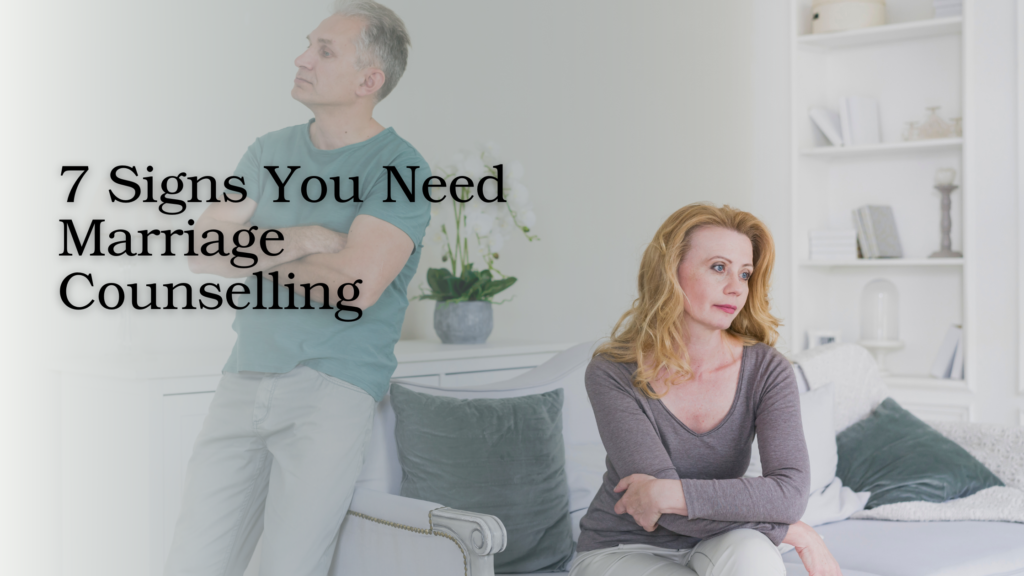
No marriage is perfect. Even the strongest, happiest couples face conflict, emotional distance, and moments of miscommunication. But many people wait far too long before seeking support. They assume things will get better on their own. They convince themselves that the arguments are “normal,” that their emotional disconnection is just a “phase,” or that their partner will eventually “come around.”
But relationships rarely heal through silence or hoping for change. They heal through effort, communication, and support. This is where marriage counselling becomes powerful. A skilled therapist helps couples repair emotional wounds, rebuild trust, and understand the deeper patterns shaping their relationship.
If you have been wondering whether therapy could help your marriage, these seven signs can give you clarity. This guide offers a detailed, compassionate look at each sign, along with practical insights from the therapeutic approach used by Christina Wade, LMHC, a marriage and relationship therapist based in New York.
Sign 1: You Feel Like Roommates, Not Partners

One of the earliest signals that a relationship needs support is the quiet drift that happens when partners begin living parallel lives. You share a home, responsibilities, and daily routines, but the emotional closeness that once held the relationship together feels faint or missing.
Partners in this stage often describe:
- Conversations that feel transactional
- Rare emotional connection
- No quality time together
- Feeling invisible or overlooked
This is not always loud or dramatic. Sometimes the distance creeps in so subtly that you only notice it when you compare your relationship to how it used to be.
Marriage counselling helps you explore:
- Why emotional intimacy faded
- Whether external stressors contributed
- What emotional needs are going unmet
- How to rebuild connection intentionally
The goal is not to go back to the “old” relationship but to build a healthier version that reflects who you both are today.
Sign 2: You Fight About the Same Issues Repeatedly
Every couple argues. But when disagreements turn into recurring cycles, it means something deeper is being left unresolved.
Maybe you keep arguing about chores, finances, in-laws, parenting, or your partner’s habits. But beneath the surface, couples often fight about:
- Feeling unappreciated
- Feeling unheard
- Feeling misunderstood
- Feeling taken for granted
The argument becomes a symptom of an unmet emotional need. Without guidance, couples get stuck in “repeat mode,” replaying the same dynamic without resolution.
In therapy, couples learn how to:
- Stop reactive communication
- Address the root, not the symptom
- Understand each other’s emotional triggers
- Break long-term conflict patterns
Christina works extensively with couples who feel stuck in these loops and helps them build a healthier, more compassionate communication structure.
Sign 3: Small Issues Turn Into Big Battles
When tension builds silently, even small inconveniences or misunderstandings can feel explosive. A forgotten errand turns into a fight about responsibility. A late text reply becomes an argument about priorities. Tone, timing, and intentions get misread.
Emotional overload often turns minor triggers into major conflicts because:
- Trust feels uncertain
- Resentment has built up
- Neither partner feels emotionally safe
- Communication has become reactive
Couples are not fighting about the chore or the tone. They are fighting about what it represents emotionally.
Therapy helps partners slow down, understand each other’s emotional context, and react from a place of curiosity rather than defensiveness.
Sign 4: You Struggle to Express Your True Feelings To Your Partner
Many couples avoid difficult conversations out of fear of causing conflict or hurting the other person. Others stay silent because they worry their partner will dismiss their feelings or respond negatively.
This emotional silence creates:
- Bottled-up resentment
- Emotional loneliness
- Anxiety in the relationship
- A “walking on eggshells” environment
Healthy relationships require emotional transparency. But that transparency must feel safe.
Christina’s sessions create exactly that kind of safety. Through guided conversations, partners learn how to express feelings honestly while staying respectful and open. Over time, emotional vulnerability becomes easier, and safer, for both partners.
Sign 5: You Feel More Connected to Someone Outside the Marriage

Emotional drift often leads some partners to seek emotional comfort from someone else, even without intending to.
This does not always mean emotional infidelity is happening. It may simply mean:
- A colleague feels easier to talk to
- A friend understands your stress better
- You find comfort in someone else’s presence
- You feel emotionally supported elsewhere
But emotional reliance on someone outside the relationship can weaken your bond and increase the risk of emotional infidelity.
Marriage counselling helps identify:
- Why emotional intimacy moved outside
- What emotional gaps exist in the relationship
- How to rebuild connection within the marriage
- How to create healthy boundaries with others
The focus is not on blame, but on repairing the emotional balance inside the marriage.
Sign 6: Trust Has Been Shaken
Trust does not break only because of betrayal. It weakens through repeated disappointments, secrecy, emotional distance, or broken promises.
Couples often seek therapy when they notice:
- Doubts they cannot ignore
- Suspicion about behaviors
- Difficulty believing their partner
- Anxiety when apart
- A general sense of insecurity
Trust issues do not heal through reassurance alone. They require understanding the source, rebuilding stability, and practicing consistent behaviors that help the relationship feel secure again.
Christina helps couples build that foundation so trust becomes stronger and more grounded.
Sign 7: You Want to Save the Marriage But Don’t Know How
Some couples fear that therapy means the relationship is failing. But in reality, therapy is one of the strongest signs of commitment.
You might want to save the marriage but feel unsure:
- Where to start
- How to fix the emotional damage
- How to rebuild connection
- How to communicate without fighting
- How to move forward after hurt
A therapist can see patterns you cannot. They can help you understand each other’s emotional language, rebuild closeness, and create a relationship that feels safe, loving, and sustainable again.
Helpful Table: When to Seek Therapy
Here is a simple and clear overview to help recognize the shifts in your relationship.
| Relationship Change | What It Means | How Therapy Helps |
| Emotional distance | Bond is weakening | Rebuilds emotional closeness |
| Repeated arguments | Unresolved issues | Breaks conflict patterns |
| Small fights escalate | Emotional overload | Restores calm communication |
| Silence replaces honesty | Fear or hurt is present | Creates emotional safety |
| Outside emotional connections | Displaced intimacy | Restores boundaries |
| Trust feels fragile | Emotional injury exists | Rebuilds trust step-by-step |
| You feel stuck | No clear path forward | Provides guidance and clarity |
Final Thoughts
Marriage counselling is not a last resort. It is a form of relationship maintenance that healthy couples use to stay connected, emotionally grounded, and deeply committed. If you recognize even one or two signs from this list, it might be the right moment to reach out for support.
You deserve a relationship where you feel valued, understood, and emotionally safe. With the right guidance, couples can repair old wounds, reconnect in meaningful ways, and build a stronger marriage than they ever had before. Healing becomes possible when both partners choose to show up, listen, and work together with honesty and compassion.
Key Takeaway
You do not need to wait until the relationship reaches a breaking point. Marriage counselling offers clarity, emotional support, and tools that help couples repair connection and build a stronger, healthier bond. Noticing the signs early gives you a better chance at healing and creating the marriage you truly want.
Contact Christina Wade, LMHC
If you are wondering whether marriage counseling can help your relationship, Christina offers a warm, collaborative, non-judgmental space designed to help couples reconnect and heal.
Phone: 929-310-9241
Location: New York, NY


